

Carbonated Clay Mask Instructions: A Comprehensive Guide
Glam Up’s bubbling masks offer a unique detoxifying experience, transforming from a creamy texture to fizzy bubbles, lifting impurities and revitalizing skin for a radiant glow․
What are Carbonated Clay Masks?
Carbonated clay masks represent a fascinating innovation in skincare, blending the traditional benefits of clay masks with the invigorating power of carbonation․ Unlike standard clay masks, these formulations contain ingredients – often including bicarbonate of soda – that react upon application, creating a gentle fizzing or bubbling sensation on the skin․ This effervescence isn’t merely for show; it’s believed to enhance the mask’s cleansing capabilities․
The carbonation helps to lift impurities, unclog pores, and improve circulation․ Clay, renowned for its absorbent properties, draws out excess oil, toxins, and dirt․ Combining these two elements results in a deep-cleansing experience that can leave the skin feeling refreshed, revitalized, and noticeably smoother․ Glam Up is a brand offering such masks, transforming from creamy clay to fizzy bubbles․
Benefits of Using a Carbonated Clay Mask
Carbonated clay masks offer a multitude of benefits for various skin concerns․ The primary advantage lies in their deep-cleansing action; the carbonation assists in lifting away impurities, excess sebum, and dead skin cells more effectively than traditional clay masks․ This process helps to unclog pores, reducing the appearance of blackheads and minimizing breakouts․
Beyond cleansing, the bubbling sensation stimulates circulation, potentially promoting a brighter, more radiant complexion․ The masks can also help to refine skin texture, leaving it feeling smoother and softer․ Glam Up’s masks are designed to detoxify pores and lift impurities․ Regular use may contribute to a more even skin tone and a reduction in pore size․ The gentle exfoliation provided can also enhance the absorption of subsequent skincare products, maximizing their effectiveness․
Skin Types Suitable for Carbonated Clay Masks
Carbonated clay masks are generally well-tolerated by a variety of skin types, but understanding your skin’s needs is crucial․ They are particularly beneficial for oily and combination skin, due to their ability to absorb excess oil and deeply cleanse pores․ Individuals with normal skin can also enjoy the clarifying and brightening effects, using them as a weekly treatment․
However, those with sensitive or dry skin should exercise caution․ The carbonation can be slightly irritating, and the clay may be overly drying․ If you have sensitive skin, a patch test is essential (discussed later)․ For dry skin, limiting use to once every two weeks and following up with a rich moisturizer is recommended․ Avoid using on skin with open wounds or active inflammation․ Glam Up’s masks are formulated to be gentle, but individual reactions can vary․
Ingredients Commonly Found in Carbonated Clay Masks
Carbonated clay masks typically feature a blend of ingredients designed to cleanse, detoxify, and revitalize the skin․ Key components often include various types of clay – such as kaolin, bentonite, or montmorillonite – known for their absorbent properties․ These clays draw out impurities and excess sebum from pores․
The “carbonated” aspect usually comes from ingredients like sodium bicarbonate (baking soda) which reacts with water to create a fizzing sensation․ Other common additions include botanical extracts like green tea, aloe vera, or chamomile for soothing and antioxidant benefits․ You might also find ingredients like charcoal, known for its detoxifying abilities, and hyaluronic acid to help maintain hydration․ Glam Up masks often incorporate natural fruit extracts for added vitamins and a pleasant scent, enhancing the overall skincare experience․

Preparing Your Skin for a Carbonated Clay Mask
Optimal preparation ensures maximum effectiveness; begin with a clean base, optionally steam to open pores, and always perform a patch test for sensitivity․
Cleansing Your Face
Before applying a carbonated clay mask, thorough facial cleansing is paramount for optimal results․ Begin with a gentle, yet effective cleanser suited to your specific skin type – whether it’s oily, dry, combination, or sensitive․ This initial step removes surface-level impurities like makeup, dirt, and excess oil, allowing the mask to penetrate deeper into the pores․
Focus on areas prone to congestion, such as the T-zone (forehead, nose, and chin)․ Use circular motions to gently massage the cleanser into your skin for at least 60 seconds․ This stimulates blood circulation and further aids in dislodging impurities․ Rinse thoroughly with lukewarm water, ensuring no cleanser residue remains․
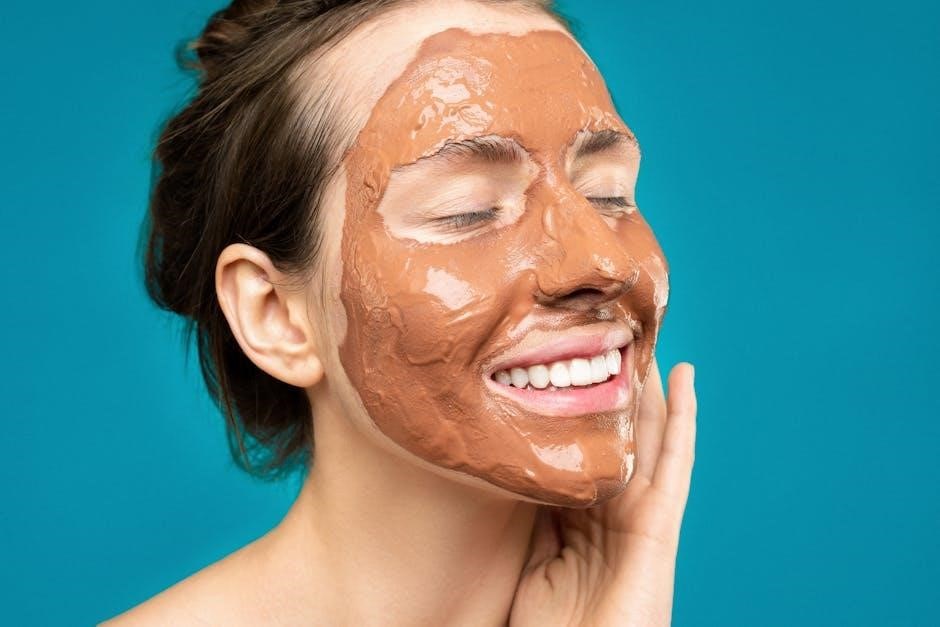
Pat your skin dry with a clean, soft towel․ Avoid rubbing, as this can cause irritation․ A clean canvas is crucial; any remaining impurities can hinder the mask’s ability to effectively detoxify and refresh your complexion, diminishing its overall benefits․
Steaming (Optional)
While not essential, facial steaming before applying a carbonated clay mask can significantly enhance its effectiveness․ Steam gently opens up your pores, preparing them to better receive the mask’s detoxifying ingredients․ This allows for a deeper cleanse and improved absorption of beneficial components․
You can steam your face by leaning over a bowl of hot (but not scalding!) water, draped with a towel to create a tent․ Steam for 5-10 minutes, maintaining a comfortable distance to avoid burns․ Alternatively, a warm, damp towel applied to the face for several minutes can achieve a similar effect․
Be cautious if you have sensitive skin or conditions like rosacea, as steaming can exacerbate redness․ If you choose to steam, keep the session brief and monitor your skin’s reaction․ Always follow steaming with a thorough cleanse to remove any loosened impurities before mask application․
Patch Test – Why It’s Crucial
Before applying any new skincare product, including a carbonated clay mask, performing a patch test is absolutely vital․ This simple step helps determine if you have any adverse reactions or sensitivities to the mask’s ingredients, preventing potential irritation or allergic responses․
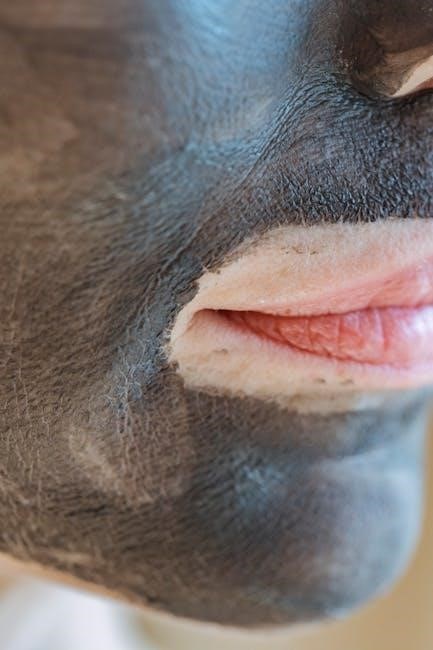
To conduct a patch test, apply a small amount of the mask to a discreet area of skin, such as behind your ear or on the inside of your wrist․ Leave it on for the recommended mask duration, then rinse thoroughly․ Observe the area for 24-48 hours, looking for any signs of redness, itching, burning, or swelling․
If you experience any of these symptoms, discontinue use immediately and consult a dermatologist․ Even if no reaction occurs, it’s still wise to proceed with caution during your first full facial application, monitoring your skin closely throughout the process․ Prioritizing safety ensures a positive experience!
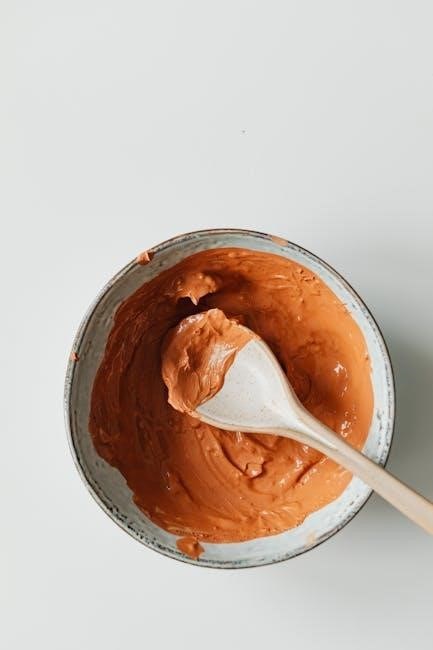
Application Instructions: Step-by-Step
Begin with a clean, dry face, then gently apply an even layer of the carbonated clay mask, avoiding the delicate eye and lip areas for optimal results․
Amount of Mask to Use
Determining the correct amount of carbonated clay mask is crucial for maximizing its benefits and ensuring a comfortable experience․ A thin, even layer is generally recommended – you don’t need a thick, cakey application to achieve the desired fizzing and detoxifying effects․ Think of it as applying a hydrating facial serum; a little goes a long way․
For most faces, approximately one to two teaspoons of the mask is sufficient․ However, this can vary depending on your face size and the specific product’s consistency․ Start with a smaller amount and add more if needed to cover your entire face, avoiding the sensitive areas around your eyes and lips․
Using too much product won’t necessarily enhance the results and may simply lead to more waste․ Conversely, using too little might not provide adequate coverage or the signature bubbling sensation․ Observe the product’s texture and adjust the amount accordingly to achieve a smooth, consistent layer across your skin․
Application Technique – Avoiding Sensitive Areas
Apply the carbonated clay mask using clean fingertips or a soft, silicone brush, spreading it evenly across your face․ Gentle, upward strokes are ideal, avoiding harsh rubbing or pulling at the skin․ Focus on areas prone to congestion, like the T-zone (forehead, nose, and chin), but ensure consistent coverage across the cheeks as well․
Crucially, steer clear of the delicate skin around your eyes and lips․ These areas are more susceptible to irritation and the carbonation could cause discomfort․ Also, avoid applying the mask to broken skin, open wounds, or areas with active inflammation․
If you have particularly sensitive skin, consider avoiding the area immediately surrounding your nostrils․ Pay attention to your skin’s reaction during application; if you experience any burning or intense tingling, remove the mask immediately․ A gentle, even application is key to a comfortable and effective carbonated clay mask experience․
The Carbonation Process – What to Expect
Once applied, you’ll immediately notice a tingling sensation as the carbonated clay mask activates․ This is perfectly normal and indicates the mask is working to draw out impurities! Tiny bubbles will begin to form and expand across the surface of your skin, creating a fizzing sensation․ This bubbling action helps to lift dirt, oil, and dead skin cells from your pores․
The intensity of the carbonation can vary depending on the product and your skin’s sensitivity․ Some individuals may experience a more pronounced fizzing sensation than others․ It’s a unique and often enjoyable feeling, but if it becomes uncomfortable, it’s best to remove the mask․
Don’t be alarmed by the bubbling; it’s a key component of how these masks detoxify․ Embrace the fizz and allow the mask to work its magic for the recommended duration, enjoying the sensation of purification!

Mask Duration and Removal
Allow the mask to sit for the recommended time, typically 10-15 minutes, then gently rinse with lukewarm water, optionally exfoliating during removal for smoother skin․
Optimal Mask Time
Determining the ideal duration for leaving a carbonated clay mask on your skin is crucial for maximizing benefits and avoiding potential irritation․ Generally, most masks recommend a timeframe between 10 to 15 minutes, but this can vary depending on the specific product and your skin’s sensitivity․
It’s important to pay attention to how your skin feels during the application․ The carbonation process, creating those delightful fizzing bubbles, indicates the mask is working to draw out impurities․ However, if you experience any uncomfortable tingling or burning sensations before the recommended time is up, immediately rinse the mask off․

For first-time users, starting with a shorter duration – around 8-10 minutes – is advisable․ This allows you to gauge your skin’s reaction․ Gradually increase the time in subsequent applications if your skin tolerates it well․ Overleaving the mask on won’t necessarily enhance the results and could lead to unnecessary dryness or redness․ Always adhere to the manufacturer’s instructions provided on the product packaging․
Rinsing the Mask Off – Water Temperature
The temperature of the water you use to rinse off your carbonated clay mask significantly impacts the final results and your skin’s comfort․ Lukewarm water is universally recommended; avoid extremes of hot or cold; Hot water can strip your skin of its natural oils, leading to dryness and irritation, counteracting the mask’s benefits․
Conversely, cold water may not effectively dissolve the clay residue, leaving your pores feeling clogged․ Lukewarm water gently lifts away the mask without disrupting your skin’s delicate balance․ Use gentle, circular motions with your fingertips to aid the removal process, ensuring all traces of the clay are gone․
Avoid harsh scrubbing, as this can cause micro-tears and inflammation․ A soft washcloth can be used for stubborn areas, but always be gentle․ Thorough rinsing is essential to prevent any lingering clay from causing dryness or breakouts․ Pat your skin dry with a clean, soft towel – do not rub․
Gentle Exfoliation During Removal (Optional)
For an enhanced experience, consider incorporating gentle exfoliation during the mask removal process․ This isn’t mandatory, but can further refine skin texture and boost radiance․ Utilize a very soft washcloth or specialized silicone scrubbers designed for facial use․ Employ extremely light pressure and circular motions․
The goal isn’t to aggressively scrub away dead skin cells, but to assist in lifting away the clay mask while providing a subtle exfoliating effect․ Avoid harsh scrubs with large, abrasive particles, as these can cause micro-tears and irritation, especially on sensitive skin․ If you have active acne or inflamed skin, skip exfoliation altogether․

Listen to your skin; if you feel any discomfort or redness, immediately stop exfoliating․ This step is best suited for those with normal to oily skin types and should be performed cautiously․ Always follow up with a hydrating toner and moisturizer to replenish moisture levels․

Post-Mask Skincare Routine
Following mask removal, replenish your skin with a toner, serum, and moisturizer to restore hydration and balance, ensuring a healthy, radiant complexion post-treatment․
Toner Application
After gently removing the carbonated clay mask and patting your skin dry, applying a toner is a crucial step in restoring your skin’s pH balance․ The mask’s deep cleansing action can temporarily disrupt this balance, leaving your skin slightly vulnerable․ A well-formulated toner helps to re-establish the optimal pH level, preparing your skin to better absorb subsequent skincare products․
Choose a toner suited to your skin type․ For oily or acne-prone skin, consider a toner with salicylic acid or witch hazel to further control oil production and minimize pores․ Dry or sensitive skin types will benefit from a hydrating toner containing ingredients like hyaluronic acid, rosewater, or glycerin․ Avoid toners with high alcohol content, as these can be overly drying and irritating․
To apply, saturate a cotton pad with toner and gently sweep it across your face and neck, avoiding the delicate eye area․ Allow the toner to fully absorb before proceeding to the next step in your skincare routine – serum application․
Serum and Moisturizer
Following toner application, it’s time to infuse your skin with concentrated ingredients through a serum, and then lock in hydration with a moisturizer․ A serum delivers potent active ingredients deep into the skin, addressing specific concerns like fine lines, hyperpigmentation, or dehydration․ Choose a serum based on your skin’s needs – Vitamin C for brightening, hyaluronic acid for hydration, or retinol for anti-aging․
Apply a few drops of serum to your face and neck, gently patting it into the skin until fully absorbed․ Next, apply a moisturizer to create a protective barrier and prevent moisture loss․ The carbonated clay mask, while beneficial, can be slightly drying, so a good moisturizer is essential․
Select a moisturizer appropriate for your skin type․ Lightweight lotions are ideal for oily skin, while richer creams are better suited for dry skin․ This combination ensures your skin remains balanced, hydrated, and radiant post-mask․
Sunscreen – A Non-Negotiable Step
Regardless of the weather, applying sunscreen is the most crucial final step in your post-mask skincare routine․ Carbonated clay masks, while deeply cleansing, can increase your skin’s sensitivity to the sun, making it more vulnerable to damage from harmful UV rays․ Even on cloudy days, UV radiation penetrates the atmosphere and can cause premature aging, sunburn, and increase the risk of skin cancer․
Choose a broad-spectrum sunscreen with an SPF of 30 or higher․ Broad-spectrum protection means it shields against both UVA and UVB rays․ Apply a generous amount to your face, neck, and any other exposed skin, at least 15-20 minutes before sun exposure․
Reapply sunscreen every two hours, or more frequently if you’re swimming or sweating․ Consistent sunscreen use is paramount for maintaining healthy, protected skin after utilizing a carbonated clay mask․

Potential Side Effects and Precautions
While generally safe, masks may cause temporary redness or sensitivity; discontinue use if irritation occurs, and always perform a patch test beforehand to avoid reactions․
Redness and Sensitivity
Experiencing mild redness and a slight tingling sensation after using a carbonated clay mask is quite common, and typically indicates the mask is working to stimulate circulation within the skin․ This is due to the carbonation process, which creates a fizzy effect as it draws out impurities․ However, if the redness is excessive, accompanied by burning, or persists for an extended period after rinsing, it could signal sensitivity or irritation․
Individuals with particularly sensitive skin, or those prone to rosacea or eczema, should exercise extra caution and begin with a very short application time – perhaps just a minute or two – to assess their skin’s tolerance․ It’s also crucial to avoid applying the mask to areas with broken skin, open wounds, or sunburn․ If discomfort arises, immediately rinse the mask off with cool water․ Remember, a gentle approach is always best when introducing new skincare products, especially those with active ingredients like clay and carbonation․
Allergic Reactions
Although rare, allergic reactions to ingredients within carbonated clay masks are possible․ Symptoms can range from mild itching and hives to more severe reactions like swelling of the lips, tongue, or throat, and difficulty breathing․ It’s absolutely vital to perform a patch test before applying the mask to your entire face – applying a small amount to your inner arm or behind your ear and waiting 24-48 hours to observe for any adverse reactions;
Carefully review the ingredient list, paying close attention to potential allergens such as fragrances, essential oils, or specific types of clay․ If you know you have sensitivities to certain ingredients, avoid masks containing them․ Should you experience any signs of an allergic reaction – even mild ones – discontinue use immediately and rinse your face thoroughly with cool water․ In severe cases, seek medical attention promptly․ Prioritizing safety and awareness of your skin’s sensitivities is paramount․
Frequency of Use
Determining the ideal frequency of carbonated clay mask use depends heavily on your skin type and its sensitivity․ Generally, for normal to oily skin, once or twice a week is sufficient to enjoy the benefits without causing excessive dryness or irritation․ However, those with sensitive or dry skin should start with once every two weeks, carefully monitoring how their skin responds․
Overuse can strip the skin of its natural oils, leading to dehydration, redness, and increased sensitivity․ Pay attention to your skin’s signals – if you notice any discomfort, reduce the frequency․ It’s also wise to avoid using carbonated clay masks immediately after exfoliating or using other active skincare ingredients, as this can heighten the risk of irritation․ Consistency, coupled with mindful observation of your skin’s needs, will yield the best results․