
As obesity rises, healthier lifestyles become crucial, prompting exploration of dietary approaches like low-fat eating. Many reach for seemingly healthy,
fat-free options,
but understanding the nuances is key to effective weight management and overall well-being.
What is a Low-Fat Diet?
A low-fat diet strategically limits fat intake, typically aiming for 20-35% of daily calories from fat sources. This contrasts with the standard American diet, often exceeding 35%. Individuals following this approach consciously select foods naturally lower in fat, or opt for reduced-fat versions of commonly consumed items.
However, it’s crucial to understand that “low-fat” doesn’t automatically equate to “healthy.” Many processed low-fat foods compensate for the reduced fat content by increasing sugar or other additives, potentially negating the benefits. A truly effective low-fat diet emphasizes whole, unprocessed foods.
Daily fat intake should fall between 50-75 grams on a 2,000-calorie diet. Careful attention to food labels and mindful choices are essential for success, avoiding hidden fats in ready meals, sauces, and even seemingly innocuous snacks like yoghurts and biscuits.
The Historical Context of Low-Fat Dieting
The prominence of low-fat dieting surged in the latter half of the 20th century, fueled by concerns linking dietary fat to rising rates of heart disease. This led to widespread recommendations to reduce fat intake, influencing dietary guidelines and food industry practices. For years, consumers were encouraged to embrace fat-free and low-fat alternatives, believing they were making healthier choices.
This era saw a boom in processed “diet” foods, often laden with sugar and refined carbohydrates to enhance palatability. However, recent research challenges the simplistic view that fat is inherently detrimental. The focus has shifted towards understanding the types of fats consumed, recognizing the benefits of unsaturated fats while cautioning against saturated and trans fats.
The historical emphasis on low-fat diets inadvertently contributed to increased sugar consumption, potentially exacerbating health issues like obesity and metabolic disorders.
Understanding Fats: Good vs. Bad
Dietary fats aren’t monolithic; some support health, while others pose risks. Distinguishing between saturated, unsaturated, and trans fats is vital for informed food choices.
Saturated Fats and Their Impact
Saturated fats, commonly found in marbled meats, poultry skin, bacon, sausage, and whole milk, have long been linked to increased levels of LDL cholesterol – often termed “bad” cholesterol. Elevated LDL cholesterol contributes to plaque buildup in arteries, increasing the risk of cardiovascular diseases. While not all saturated fat impacts individuals identically, moderation is generally advised.
The current dietary guidelines suggest limiting saturated fat intake to less than 10% of daily calories. For a 2,000-calorie diet, this translates to approximately 22 grams of saturated fat. It’s crucial to remember that simply choosing “low-fat” options doesn’t guarantee health benefits; often, sugar is added to enhance flavor, potentially negating the positive effects of reduced fat. Prioritizing whole, unprocessed foods remains paramount when managing saturated fat consumption.
Unsaturated Fats: Benefits and Sources
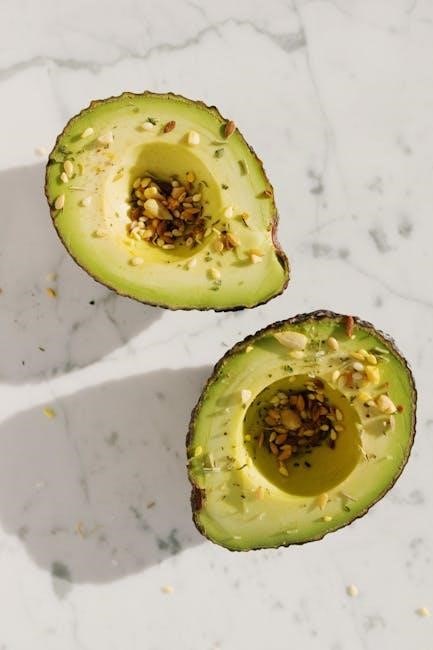
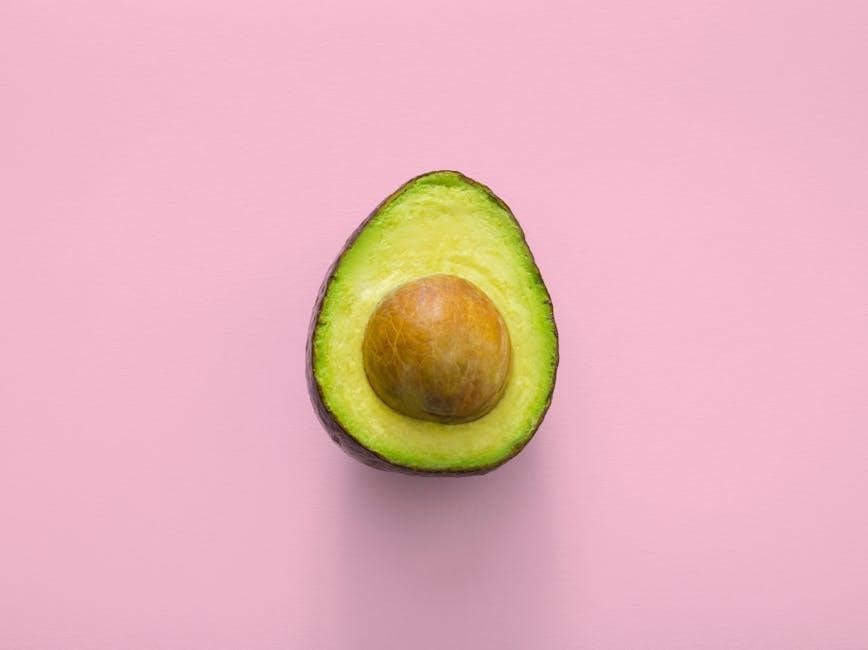
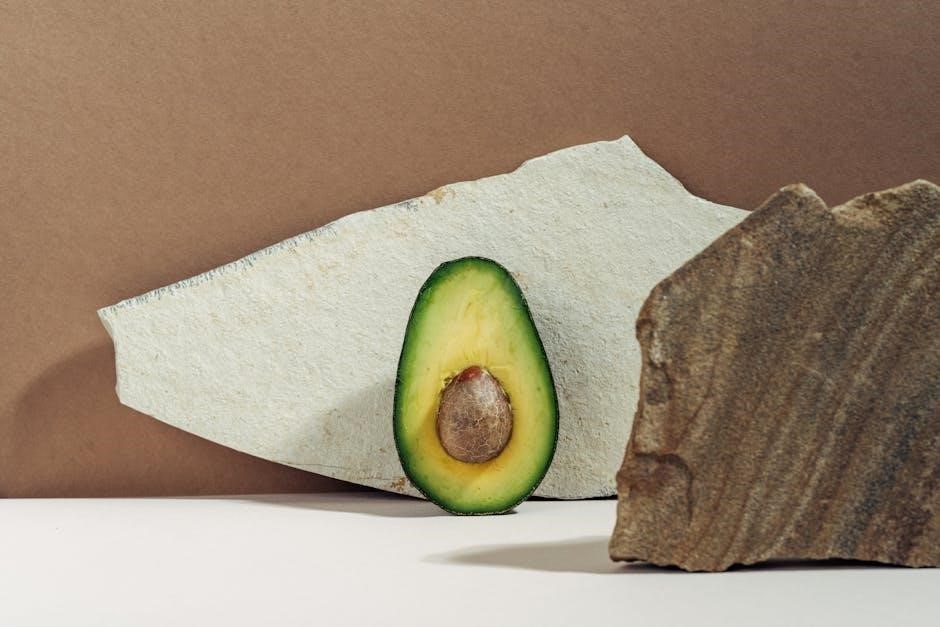
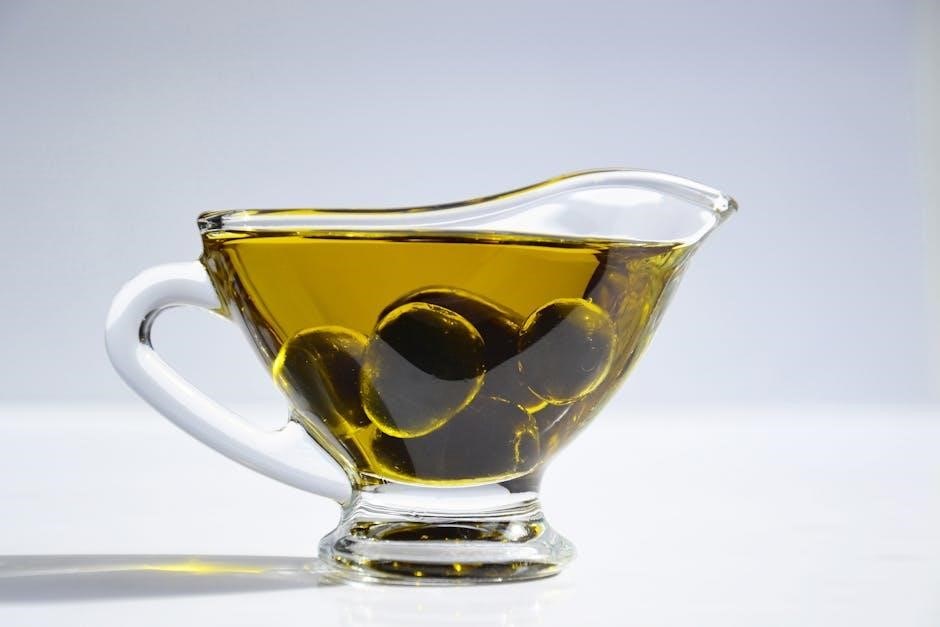
Unlike saturated fats, unsaturated fats are generally considered heart-healthy and can contribute positively to overall well-being. These fats come in two primary forms: monounsaturated and polyunsaturated. Monounsaturated fats, found abundantly in olive oil, avocados, and nuts, can help lower LDL cholesterol levels while maintaining HDL (“good”) cholesterol.
Polyunsaturated fats, including omega-3 and omega-6 fatty acids, are essential nutrients the body cannot produce on its own. Excellent sources include fatty fish (salmon, tuna, mackerel), flaxseeds, chia seeds, and walnuts; These fats play a vital role in brain function, reducing inflammation, and supporting cardiovascular health. Incorporating a variety of unsaturated fat sources into a low-fat diet is crucial for optimal health outcomes.
Trans Fats: Why to Avoid Them
Trans fats are widely recognized as the most harmful type of fat, offering no health benefits and posing significant risks to cardiovascular health. Primarily found in processed foods, they are created through an industrial process called hydrogenation, which solidifies liquid oils. Common sources include fried foods, baked goods (cookies, cakes, pastries), and some margarines.
Consuming trans fats raises LDL (“bad”) cholesterol levels while simultaneously lowering HDL (“good”) cholesterol, dramatically increasing the risk of heart disease, stroke, and type 2 diabetes. Many countries have implemented regulations to limit or ban trans fats in food production. Carefully reading food labels and avoiding products listing “partially hydrogenated oil” is essential for minimizing trans fat intake and protecting your health.
Low-Fat Food List: Core Components
Building a low-fat diet centers on lean proteins, low-fat dairy, and abundant fruits and vegetables – naturally low in fat and rich in nutrients.
Lean Protein Sources
Prioritizing lean protein is fundamental to a successful low-fat diet. Opt for skinless poultry – chicken and turkey breast are excellent choices – providing substantial protein without excessive fat. Fish, particularly white fish like cod, haddock, and tilapia, are also superb options, offering healthy omega-3 fatty acids alongside lean protein.
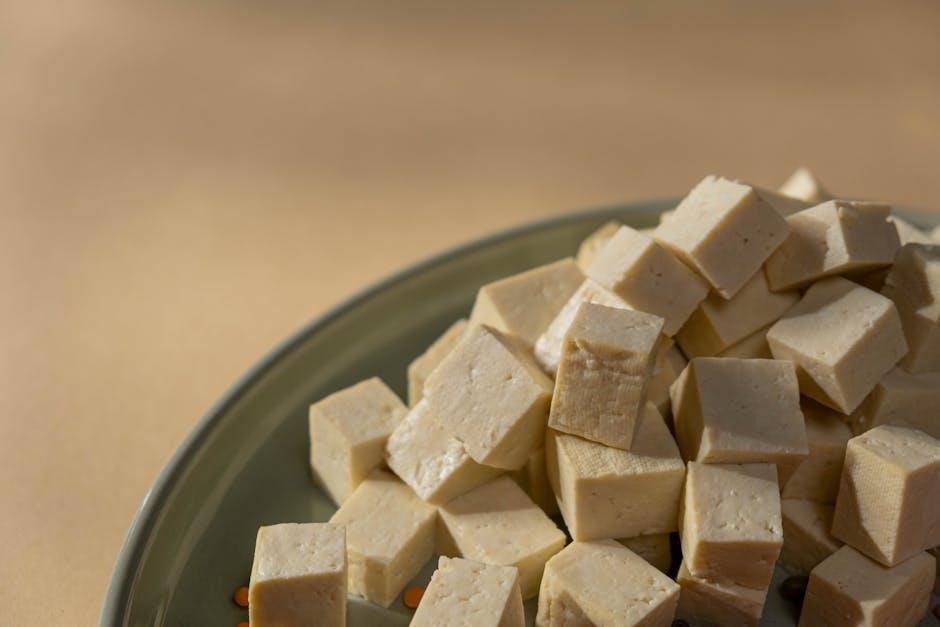
Plant-based proteins are equally valuable. Beans and lentils are incredibly versatile and packed with fiber, promoting satiety. Tofu and tempeh, derived from soybeans, offer complete proteins and can be incorporated into various dishes. Even lean cuts of beef, like sirloin or round, can be included in moderation. Remember to trim visible fat before cooking and choose grilling, baking, or steaming over frying to minimize added fats. Careful selection ensures adequate protein intake while adhering to low-fat principles.
Low-Fat Dairy Options
Dairy can fit into a low-fat diet, but mindful choices are essential. Skimmed milk and fat-free yogurt are excellent starting points, providing calcium and protein with minimal fat content. Be cautious with flavored yogurts, as they often contain added sugars to compensate for the lack of fat – opt for plain varieties and sweeten naturally with fruit.
Low-fat cheeses, such as part-skim mozzarella or cottage cheese, can be enjoyed in moderation. However, pay attention to portion sizes, as even low-fat cheeses still contribute calories. Consider using Greek yogurt as a substitute for sour cream or mayonnaise in recipes to reduce fat intake. While whole milk products should be limited, these low-fat alternatives offer nutritional benefits without compromising your dietary goals.
Fruits and Vegetables: Naturally Low-Fat
Fruits and vegetables are cornerstones of any healthy diet, especially a low-fat one. They are inherently low in fat and packed with essential vitamins, minerals, and fiber, promoting satiety and overall well-being. Enjoy a wide variety of colorful produce, including berries, apples, bananas, oranges, leafy greens, broccoli, carrots, and peppers;
These foods not only contribute minimal fat to your diet but also help displace higher-fat options. Incorporate them into every meal and snack – add berries to your breakfast, a salad to your lunch, and roasted vegetables to your dinner. Remember that preparation methods matter; steaming, baking, or grilling are preferable to frying, which adds unnecessary fat. Embrace the natural sweetness and flavors of fruits and vegetables for a delicious and nutritious low-fat experience.
Navigating the Grocery Store: Hidden Fats
Careful label reading is vital, as “low-fat” products can surprisingly fuel belly fat. Processed foods often conceal fats, demanding vigilant scrutiny during shopping.
Reading Food Labels for Fat Content
Deciphering food labels is paramount for successful low-fat dieting. Begin by checking the “Nutrition Facts” panel for total fat grams per serving. Remember, dietary guidelines generally recommend consuming between 50 and 75 grams of fat daily based on a 2,000-calorie intake – adjust this based on your individual needs.
However, don’t solely focus on total fat; scrutinize the types of fats. Pay close attention to saturated and trans fats, aiming to minimize their consumption. Look for foods low in these unhealthy fats. Also, be mindful of serving sizes, as fat content is listed per serving. It’s easy to underestimate how much you’re actually eating.
Furthermore, ingredient lists can reveal hidden fats. Be wary of ingredients like hydrogenated oils, palm oil, and other less obvious fat sources. Understanding these details empowers you to make informed choices and stay on track with your low-fat eating plan.
Beware of “Low-Fat” Marketing Traps
The “low-fat” label can be deceiving; don’t automatically assume a product is healthy. Often, when fat is removed, sugar, salt, or other additives are increased to enhance flavor and texture. This can inadvertently lead to consuming more calories or unhealthy ingredients. Fat-free yogurts, for example, frequently contain added sugars to compensate for the lack of fat.
Similarly, low-fat ready meals and sauces may be loaded with hidden sugars and sodium. Always read the full nutrition label, not just the front-of-package claims. Focus on the total calorie count, sugar content, and ingredient list. Prioritize whole, unprocessed foods whenever possible, as they naturally contain fewer additives.
Be a critical consumer and remember that “low-fat” doesn’t automatically equate to “healthy.”
Hidden Fats in Processed Foods
Processed foods are notorious for containing hidden fats, often beyond what’s immediately apparent. Many baked goods, snacks, and convenience meals utilize fats to improve texture and palatability. These fats aren’t always explicitly listed as “fat” but are present in ingredients like vegetable oils, shortening, and emulsifiers.

Even seemingly healthy options, such as salad dressings and granola bars, can harbor significant amounts of fat. Be particularly cautious of sauces, dips, and spreads, as they frequently contain high levels of added fats. Thoroughly examine ingredient lists for terms like hydrogenated oils, palm oil, and various types of vegetable oils.
Prioritizing whole, unprocessed foods minimizes exposure to these hidden fat sources, supporting a truly low-fat dietary approach.
Sample Low-Fat Meal Plan
Creating a balanced plan is vital; focus on lean proteins, fruits, and vegetables. Consider fat-free yogurt for breakfast and mindful snacking throughout the day.
Breakfast Ideas
Starting your day with a low-fat breakfast sets a positive tone. Opt for oatmeal prepared with water or skim milk, topped with berries and a sprinkle of nuts – a fantastic source of fiber and sustained energy. Fat-free or low-fat yogurt, paired with fruit like bananas or peaches, provides a quick and nutritious option.
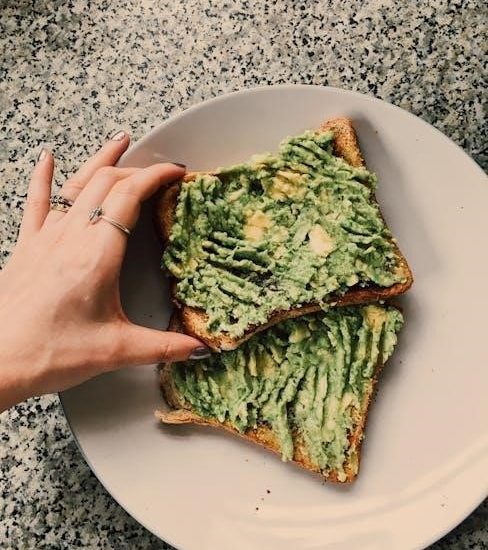
Whole-wheat toast with a thin spread of avocado or a small amount of nut butter offers healthy fats and complex carbohydrates. Scrambled egg whites with spinach and mushrooms are a protein-packed choice, keeping you feeling full and satisfied. Avoid sugary cereals and pastries, as these can lead to energy crashes and increased cravings later in the day. Remember to prioritize whole, unprocessed foods for optimal health benefits. A small portion of fruit juice, diluted with water, can complement your breakfast, but moderation is key due to its sugar content.
Lunch and Dinner Suggestions
For a satisfying low-fat lunch, consider a large salad with grilled chicken or fish, loaded with colorful vegetables and a light vinaigrette dressing. Whole-wheat sandwiches with lean turkey or ham, and plenty of lettuce and tomato, are another excellent choice. Soups, especially vegetable-based or broth-based varieties, can be filling and nutritious.
Dinner options include baked or grilled lean protein sources like salmon, chicken breast, or tofu, served with steamed vegetables and a side of brown rice or quinoa. Stir-fries with plenty of vegetables and a minimal amount of oil are quick and easy to prepare. Avoid creamy sauces and fried foods, opting instead for herbs, spices, and lemon juice to enhance flavor. Portion control is crucial; aim for a balanced plate with protein, carbohydrates, and healthy fats in moderation.
Snack Options
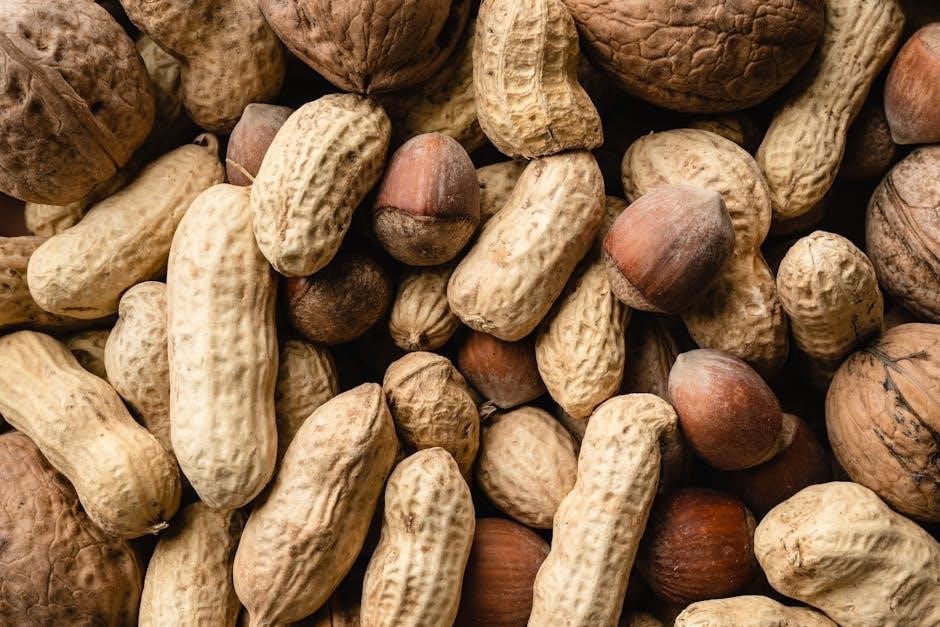
Smart snacking is vital on a low-fat diet to prevent excessive hunger and unhealthy cravings. Fresh fruits like apples, bananas, and berries provide natural sweetness and fiber. A small handful of unsalted nuts or seeds offers healthy fats and protein, but portion control is key due to their calorie density.
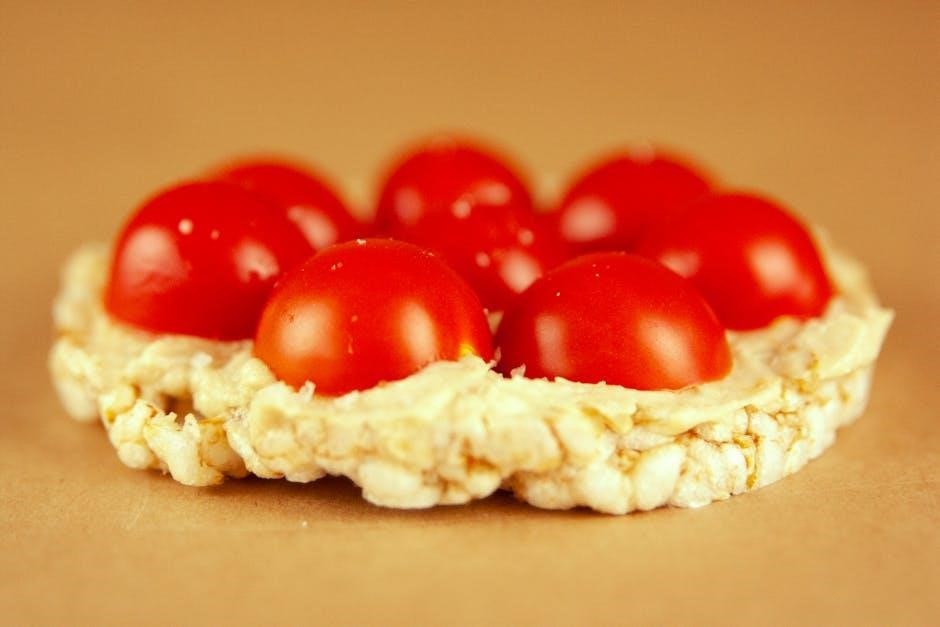
Low-fat yogurt, particularly Greek yogurt, is a protein-rich option. Vegetable sticks (carrots, celery, cucumber) with hummus or a light dip are a crunchy and satisfying choice. Air-popped popcorn (without butter or excessive salt) can also be a good snack. Be mindful of “low-fat” processed snacks, as they often contain added sugars to compensate for the lack of fat, potentially fueling belly fat.
Potential Pitfalls of Low-Fat Diets
Despite intentions, low-fat foods can inadvertently contribute to weight gain due to added sugars and reduced satiety, leading to overconsumption.
The Sugar Connection
A significant drawback of many low-fat products lies in the compensation for lost flavor and texture through increased sugar content. To make fat-free yogurts, biscuits, or ready meals palatable, manufacturers often add substantial amounts of sugar, sometimes in the form of high-fructose corn syrup or other sweeteners. This seemingly harmless substitution can have detrimental effects on health, potentially fueling belly fat accumulation despite the “diet-friendly” label.
The body processes excess sugar differently than fat, leading to insulin spikes and increased fat storage. Consuming too much sugar can also contribute to cravings, making it harder to adhere to a healthy eating plan. Therefore, carefully scrutinizing ingredient lists and opting for whole, unprocessed foods is crucial when following a low-fat diet to avoid this hidden sugar trap.
Impact on Satiety and Hunger
Fat plays a vital role in promoting feelings of fullness and satisfaction after eating. When drastically reducing fat intake, individuals may experience increased hunger and reduced satiety, leading to overconsumption of other foods, particularly those high in carbohydrates or sugar. This can undermine weight loss efforts and contribute to a cycle of cravings and unhealthy snacking.
The absence of fat can also affect the absorption of fat-soluble vitamins (A, D, E, and K). A balanced approach, incorporating healthy fats in moderation, is often more sustainable and effective than severely restricting fat altogether. Prioritizing protein and fiber-rich foods alongside low-fat options can help mitigate hunger and maintain a sense of fullness throughout the day.
Resources for Low-Fat Recipes and Information
Navigating the world of low-fat eating is easier with readily available resources. Numerous websites and cookbooks offer a wealth of recipes tailored to this dietary approach. Online platforms frequently provide downloadable low-fat food lists in PDF format, simplifying grocery shopping and meal planning. These lists categorize foods based on their fat content, aiding informed choices.
Furthermore, reputable health organizations and registered dietitians offer evidence-based information and guidance on low-fat diets. Exploring these resources can help individuals understand the principles of healthy fat consumption and create sustainable eating habits. Remember to critically evaluate information and prioritize sources grounded in scientific research for optimal results.